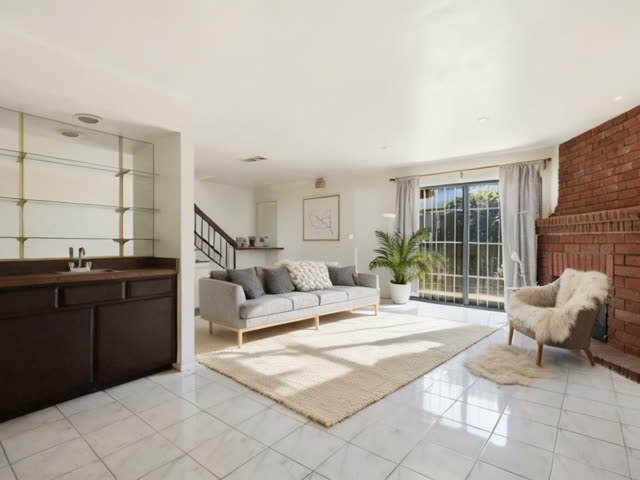

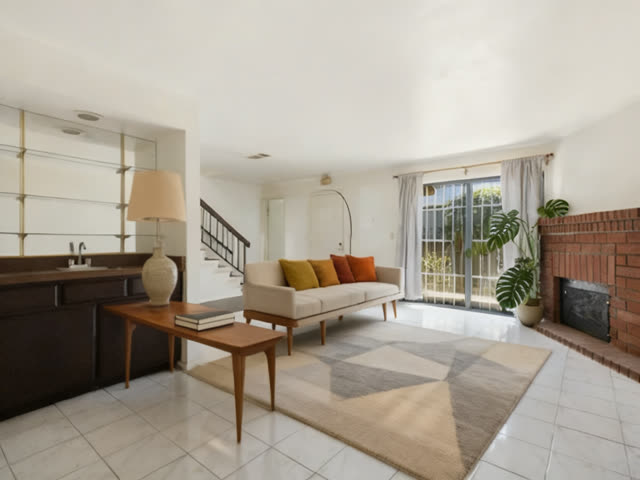
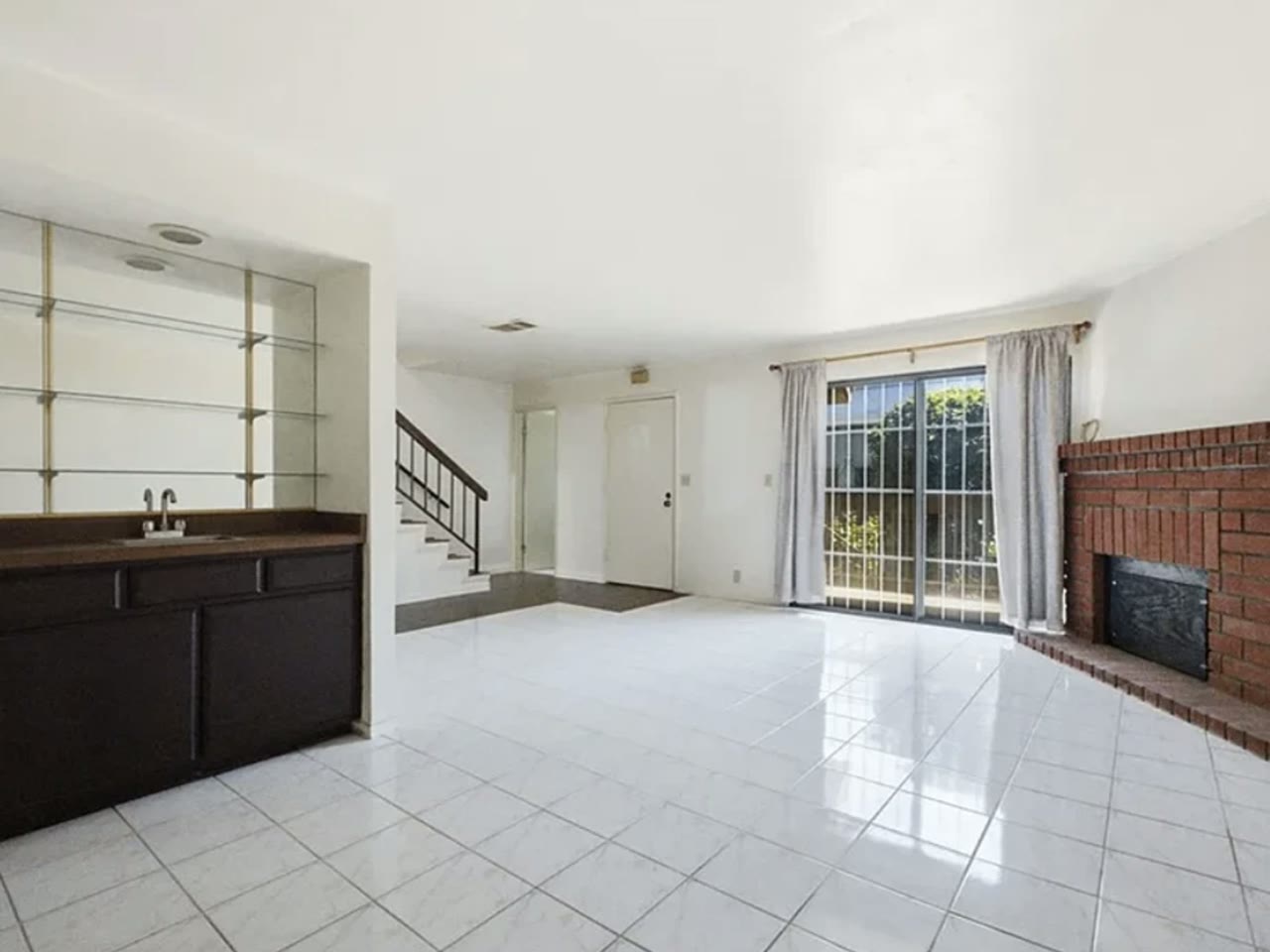
Fixer-uppers have a specific marketing problem: the buyers who would love the finished house cannot see it, and the investors who can see it want it priced for the work. A renovation preview speaks to the first group — it shows the same room with new finishes, so a buyer stops pricing the avocado bathroom and starts pricing the house.
Where it genuinely helps
- Estate sales and long-held homes with intact layouts and dated finishes
- The one bad room dragging an otherwise updated house — usually a kitchen or bath
- Listings competing against renovated comps at similar prices
- Pre-listing conversations: showing sellers what a modest refresh buys is the honest version of the same tool
The rules that keep it honest
| Rule | Why it exists |
|---|---|
| As-is photos lead the listing | The buyer must see the actual property first — the concept is a supplement |
| Label every preview as a rendering or concept | Unlabeled, it is a misrepresentation of condition — the serious kind |
| Keep walls, windows and footprint where they are | A preview that moves structure is selling a different house |
| Show realistic finishes, not fantasy ones | The visualization should be achievable at a knowable budget |
| Never preview away defects | Damage is a condition to disclose, not a surface to reimagine |
Placement matters as much as labeling
The pattern that works: real photo of the room, then its labeled concept image directly after, so the pairing is unmistakable. Concept images scattered through the set — or worse, leading it — invite the complaint that the listing sold a renovation that does not exist. Portals and boards vary on where renderings may appear at all; some restrict them to the supplement or virtual-tour slots. Check yours before uploading.
The conversation it starts is the point
A good preview does not close a buyer — it reframes the showing. They walk the dated kitchen holding the image of what it becomes, and the discussion shifts from “this needs work” to “what would this cost.” Pair the image with a rough contractor range for the shown scope and you have answered the question before the objection forms.
Questions
Common questions.
Is virtual renovation allowed on the MLS?
Generally yes as clearly labeled supplemental imagery, with the actual photos present and leading — but boards differ on placement and some require renderings to stay out of the main photo carousel. The universal rules: label it, never substitute it for as-is photos, and never use it to hide condition.
What is the difference between virtual staging and virtual renovation?
Staging adds furniture to a real room and changes nothing else — the finishes buyers see are the finishes that exist. Renovation previews change the finishes themselves, which is why the labeling burden is heavier: a staged photo shows the real house dressed; a renovation image shows a hypothetical one.
Do renovation previews actually help sell fixer-uppers?
They widen the buyer pool beyond investors, which is where the value is — owner-occupant buyers pay more than flippers for the same house but only when they can picture living in it. The preview does the picturing. On a structurally sound home with cosmetic issues, that is often the difference between one offer class and two.