How to market a vacant listing
Short answer
Stage the four rooms buyers weigh decisions on — main living space, kitchen or dining, primary bedroom, and any room with an unclear purpose. Photograph before the home empties if you can. For showings, control temperature, light, and smell, because an empty house has nothing else to offer the senses.
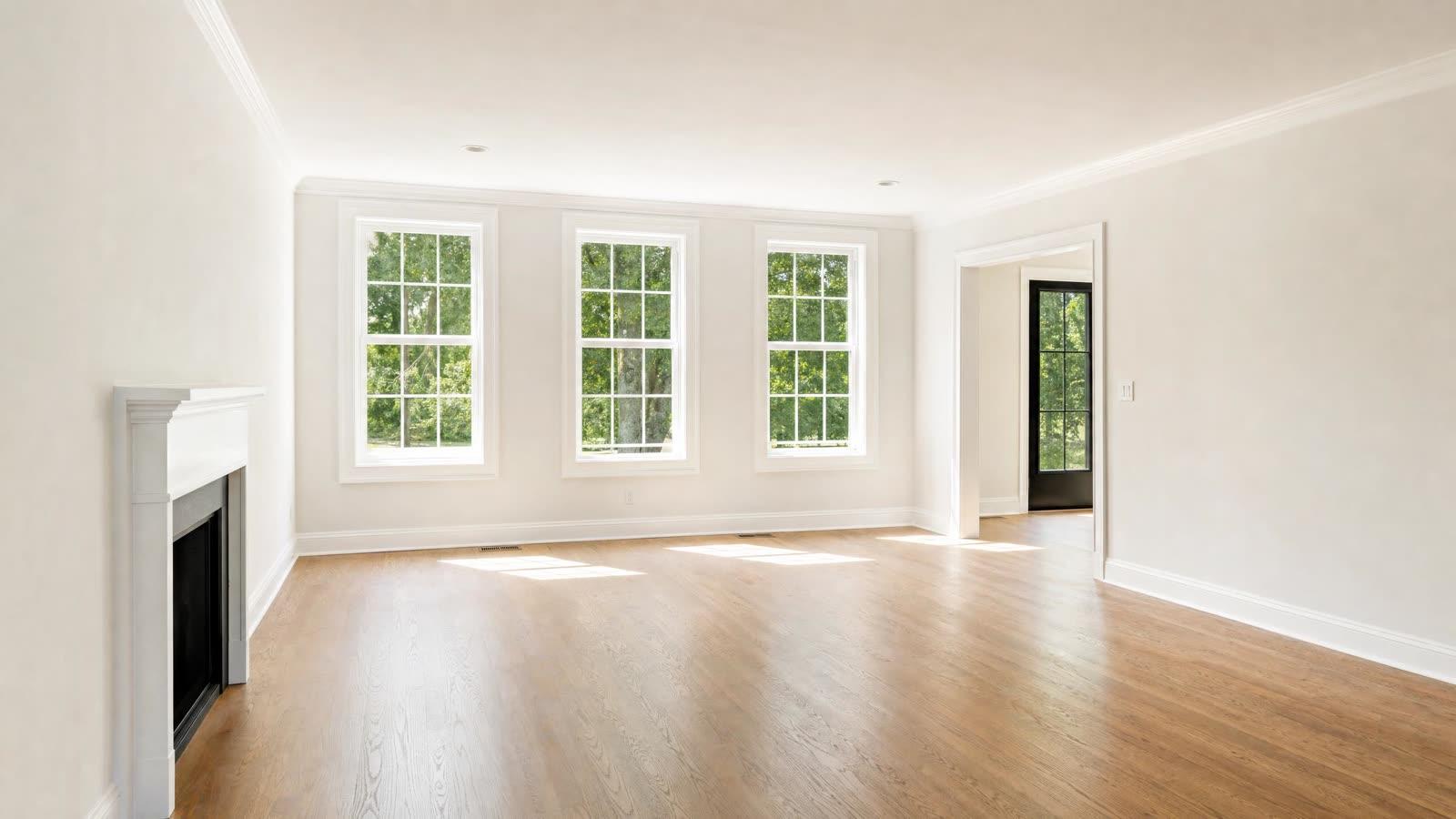
Vacant homes are the easiest properties to photograph and among the hardest to sell. Nothing is in the way, the light is clean, and the buyer has no idea how big anything is. Empty rooms give the eye no reference for scale, no cue about use, and nothing warm to attach to.
Photograph it before it empties, if you can
If the seller has not moved out yet and the home is tidy, shoot it furnished. Real furniture in the room it was bought for photographs better than any replacement, and it costs nothing. This is the single most missed opportunity in vacant listings — by the time most agents are engaged, the truck has already gone.
Stage the four rooms that matter
- Main living space — the room that sets the tone for the whole gallery
- Kitchen or dining area, if there is a bare eating space
- Primary bedroom — buyers check that a real bed fits
- Any room whose purpose is unclear: the bonus room, the den, the landing
Secondary bedrooms and bathrooms can stay empty. Buyers understand what a bedroom is for, and staging all five bedrooms in a large house is money spent on frames that change nobody’s mind.
Empty rooms still need light
Vacant homes often have the power turned down or off, which means shooting with only window light. Get the electricity on before the shoot. A bare room lit by one window is the single least appealing photo in real estate, and no amount of staging rescues it afterwards.
The showing is a different problem
Empty houses are cold, echoey, and often smell shut-up. Set the heat or air conditioning to comfortable before showings, open blinds, turn on every light, and air the place out. These are unglamorous details that consistently change how long buyers spend in a house.
Disclose the staging
If the photos are digitally staged, label them. A buyer walking into an empty living room after seeing a furnished one should already know why, and the disclosure is what makes that a non-event rather than the moment they stop trusting the listing.
Common questions
Do vacant homes sell for less?
They tend to sit longer and attract lower offers, largely because buyers cannot judge scale or picture living there, and because an empty house makes it obvious the seller has already moved — which buyers read as negotiating leverage.
How many rooms should I stage in a vacant house?
Four to six photos covers most listings: the main living space, the kitchen or dining area, the primary bedroom, and one or two ambiguous rooms. Beyond that you are paying for frames nobody weighs a decision on.
Should a vacant home have furniture for showings, or are staged photos enough?
Staged photos get the showing booked; physical furniture improves the showing itself. If the listing is at the top of your price band and buyers are comparing it against staged competitors in person, the physical spend can be worth it. Otherwise photos are the higher-return investment.
PropWalk furnishes an empty room from a single photo, keeping the walls, windows, and floor exactly as they are. Your first staged photo is free.
Stage an empty room free →Found this useful? Get more PropWalk guides in your Google results.