Photographing a home people still live in
Short answer
Send the prep list 48 hours ahead, framed as what buyers respond to rather than what is wrong with the house. Push firmly on three things — clear countertops, personal photos removed, floor clutter gone — and work around everything else by changing your angle so immovable items sit at the frame edge.
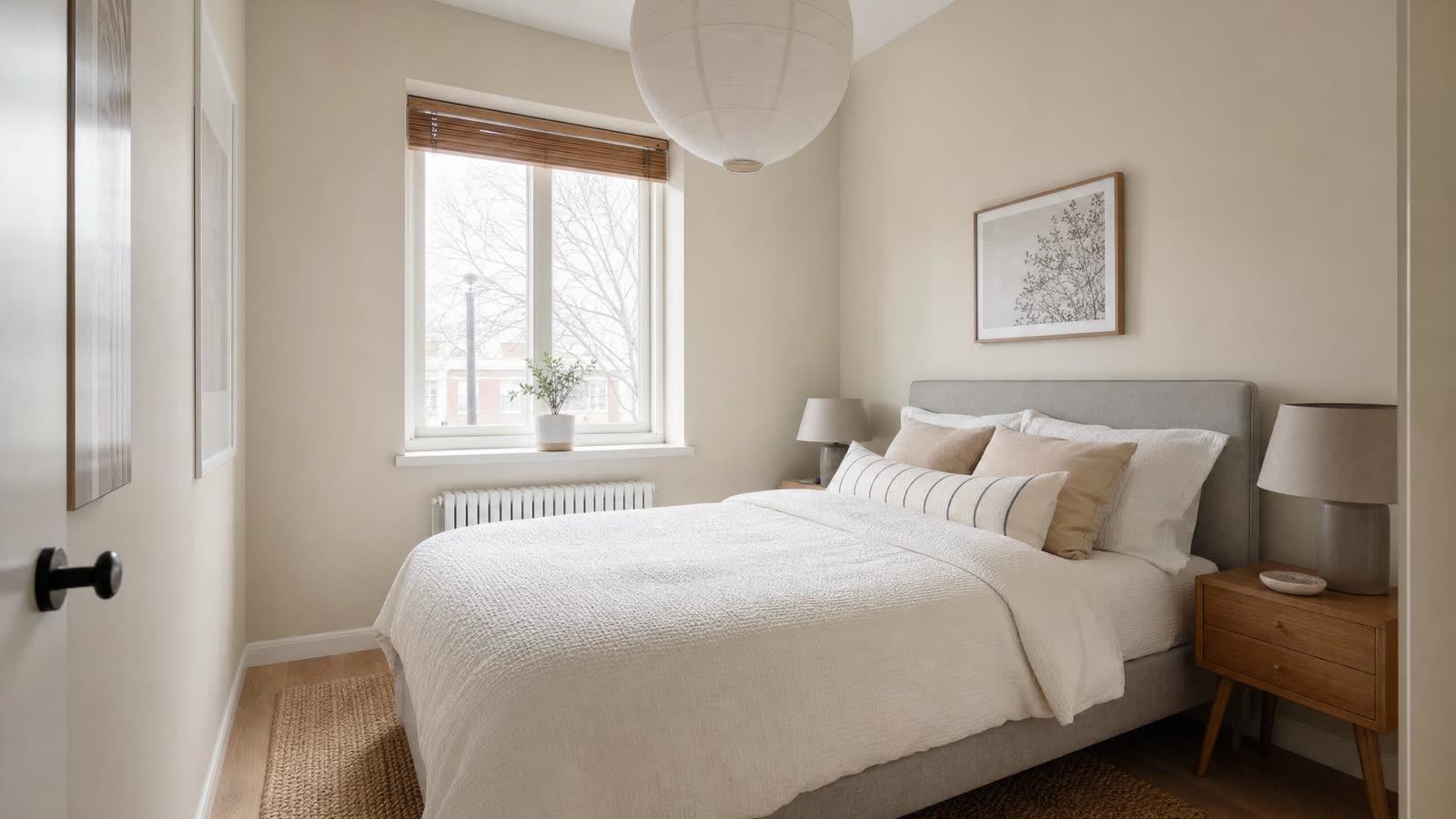
Vacant homes are easy to photograph and hard to sell. Occupied homes are the reverse. The challenge is not technical — it is that everything in frame belongs to someone who is standing behind you while you shoot.
Set the expectation before the day
Send the prep list 48 hours ahead and frame it as what buyers respond to rather than what is wrong with their house. Sellers who receive the list in advance almost always do the work. Sellers who first hear it from you at the door get defensive, and you end up shooting around things.
The three things worth pushing on
- Countertops and surfaces — the single biggest visual difference in the whole set
- Personal photos and names — buyers need to imagine themselves living there
- Floor clutter — it shrinks every room it appears in
Everything else you can work around. Those three you should push on, kindly and specifically: "counters completely clear" lands better than "the kitchen needs tidying."
Shoot around what you cannot move
An oversized sectional, a wall of family portraits, a piece of exercise equipment in the dining room. Change your angle so it sits at the edge of the frame rather than the middle, or shoot from the other side of the room entirely. A composition that keeps the problem in the corner is easier to fix afterwards than one built around it.
Dated furniture is a different problem
Clean but dated furniture is not clutter and cannot be tidied away. If it is genuinely holding the listing back, the options are physical staging, restaging the photos digitally with disclosure, or accepting it. What does not work is photographing around it until every room is a tight crop — a gallery of close-ups tells buyers something is being hidden.
Be quick
Sellers tolerate a photo shoot; they do not enjoy it. Move efficiently, put back anything you moved, and do not ask them to keep leaving the room. An agent who is easy to have in the house gets the referral.
Common questions
What do you do about furniture the seller will not move?
Change your angle so it sits at the edge of the frame rather than the middle, or shoot from the other side of the room. A composition that keeps the problem in the corner is far easier to correct afterwards than one built around it.
How do you tell a seller their house needs tidying?
Be specific rather than evaluative. “Counters completely clear” lands well; “the kitchen needs tidying” does not. A printed checklist depersonalises it, because the list applies to every listing rather than to their housekeeping.
Is it worth staging over existing furniture?
Only when the furniture is genuinely holding the listing back — dated, oversized, or mismatched. Clean, current furniture in an occupied home usually photographs better than any replacement, because it fits the room it was bought for.
For the things that could not be moved and the things you missed: circle them in the photo and PropWalk takes them out.
Clean up a shot free →Found this useful? Get more PropWalk guides in your Google results.