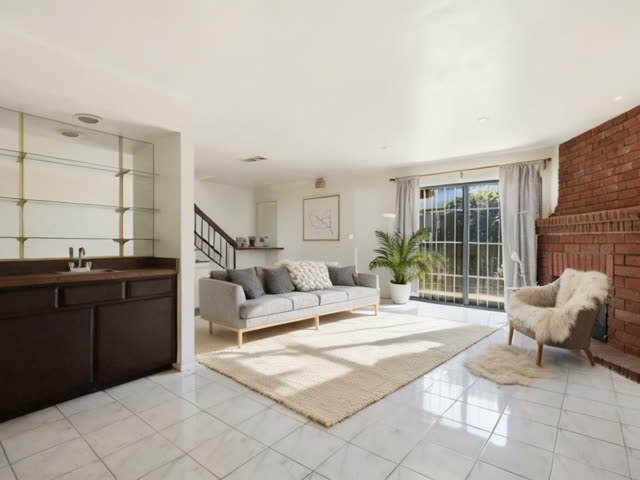
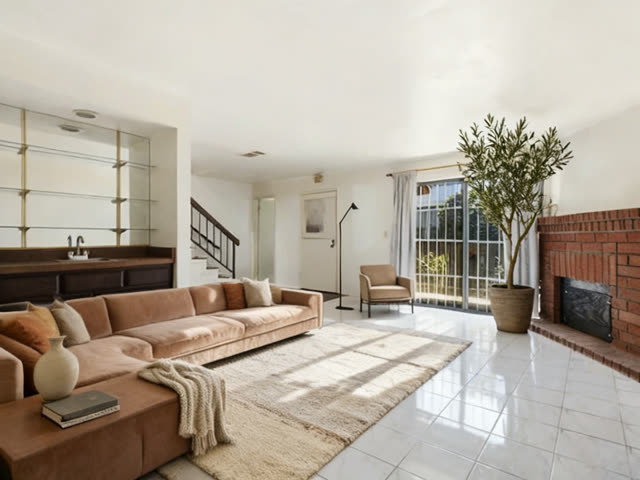
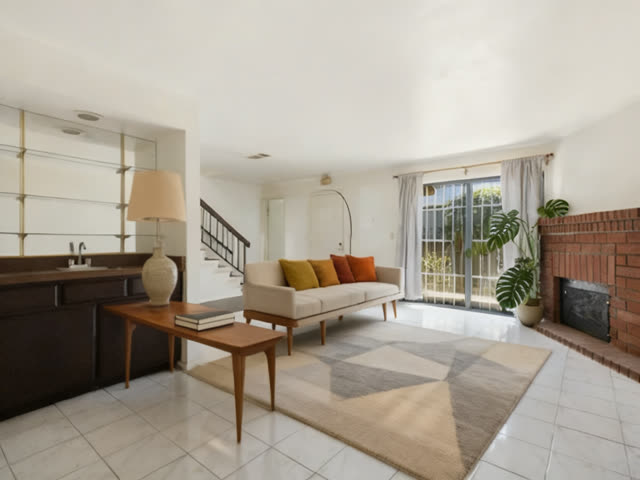
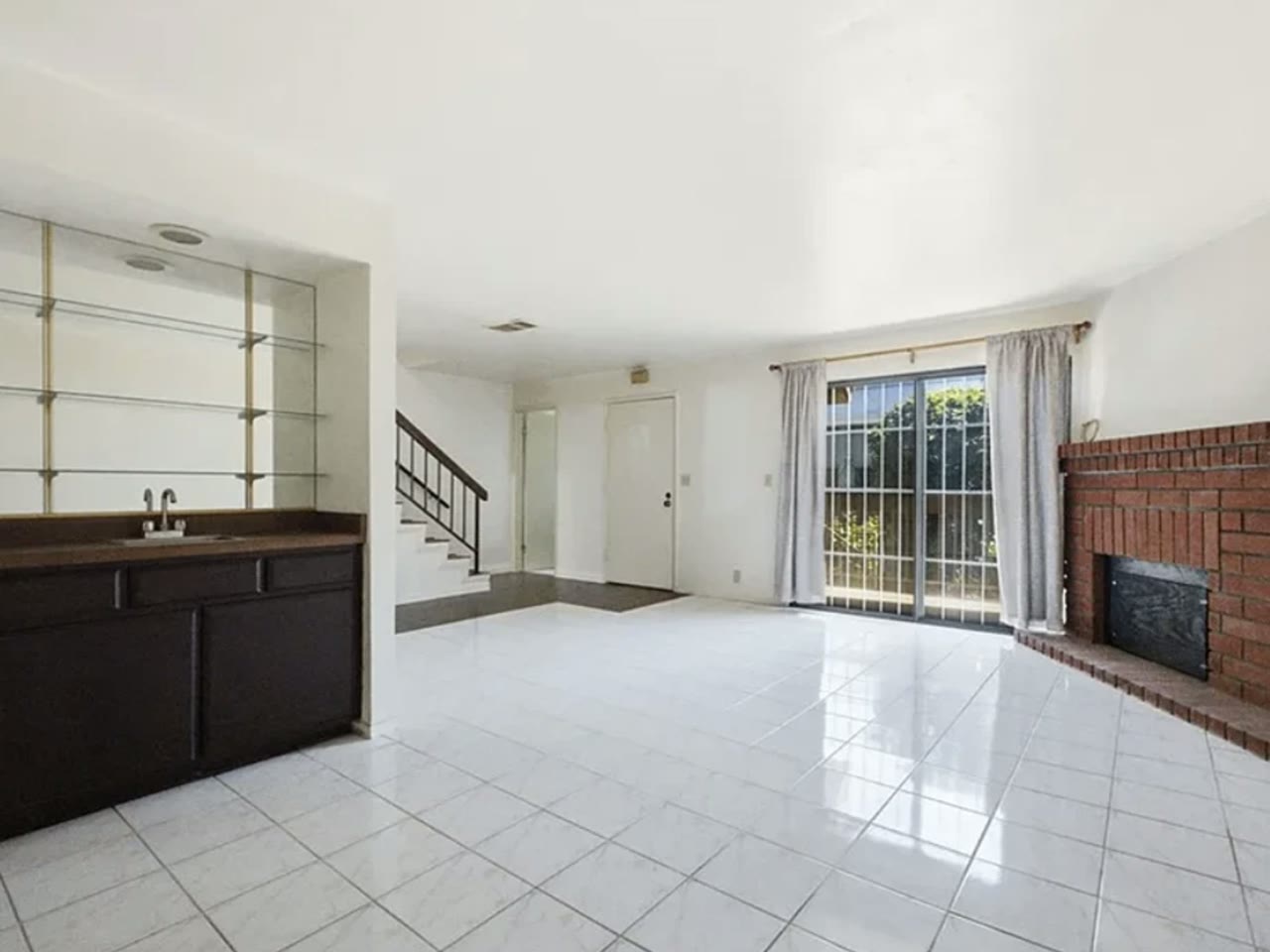
Nobody searching this wants a brand list that is out of date in a quarter. What holds still is the categories — there are three, they solve different problems, and most bad experiences come from buying the wrong category, not the wrong brand.
The three categories
| Type | How it works | Typical cost | Turnaround |
|---|---|---|---|
| Per-photo service | You upload, a designer stages, you get files back | $16–40 per photo | 24–48h, plus a round trip per revision |
| DIY furniture app | You drag furniture models into the photo yourself | $10–30/mo | Your own time — expect an hour per room to look right |
| Instant staging tool | Software stages the room from the photo directly | Subscription, per-listing credits | Minutes, re-rolls included |
The four questions that actually decide it
- Turnaround: can you re-shoot a bad result before the listing goes live, or are you waiting two days per attempt?
- Revision cost: services charge or slow-walk revisions; tools re-roll free. If you are picky, this is the whole decision.
- Realism on YOUR photos: every option demos well on its own gallery. Test with your worst room — a dim carpeted bedroom, not a bright empty loft.
- Disclosure workflow: MLS rules require virtually staged photos to be labeled and most boards want the original available. Pick something that keeps the empty version paired with the staged one.
Where each one wins
One vacant listing a year: a per-photo service is fine — the turnaround pain only bites once. A designer eye on a hero shot can also be worth it for luxury, where a wrong sofa reads instantly. Regular listings: an instant tool wins on math alone, because five listings of eight photos each at per-photo pricing is a four-figure line item, and on speed, because you can stage the day the photographer delivers.
The mistakes that make any of them look fake
Over-furnishing small rooms, furniture that ignores the light direction, and rugs that float above the floor are the three tells buyers spot. Whatever you use, stage lightly — a bed, nightstands and one lamp beats a showroom. And never stage over defects: covering a stain or hiding damage crosses from marketing into misrepresentation.
Questions
Common questions.
Is virtual staging software accurate enough for MLS photos?
Yes, if the staging only adds furniture and decor to the real room. The room itself — walls, windows, floors, fixtures — must stay untouched, the photo must be labeled virtually staged, and the empty original should be available on request. Those are MLS rules, not software limits.
How much does virtual staging software save versus a service?
A per-photo service at $16–40 per image costs $130–320 for a typical 8-photo vacant listing, per revision round. Subscription tools amortize across every listing you run, so the gap widens with volume — by the third listing in a month the service usually costs more than a full subscription.
Can I try virtual staging before paying?
Most services show portfolio samples but charge from the first photo. Most tools have a trial. Either way, run the test on your own hardest photo — a small dark room with dated flooring — because that is the photo that decides whether the output is usable on a real listing.
Sources